

For modern local enterprises, surviving the digital marketplace requires more than just running a few random social media ads or setting up a basic website. True small business marketing isn’t about chasing empty metrics like page likes or viral visibility—it is about building a predictable, scalable lead generation framework that turns casual searchers into high-value clients.
If you are tired of spending your budget on marketing campaigns that fail to move the revenue needle, you need a structured approach. Let’s break down the definitive blueprint to dominate your local landscape and scale your business growth.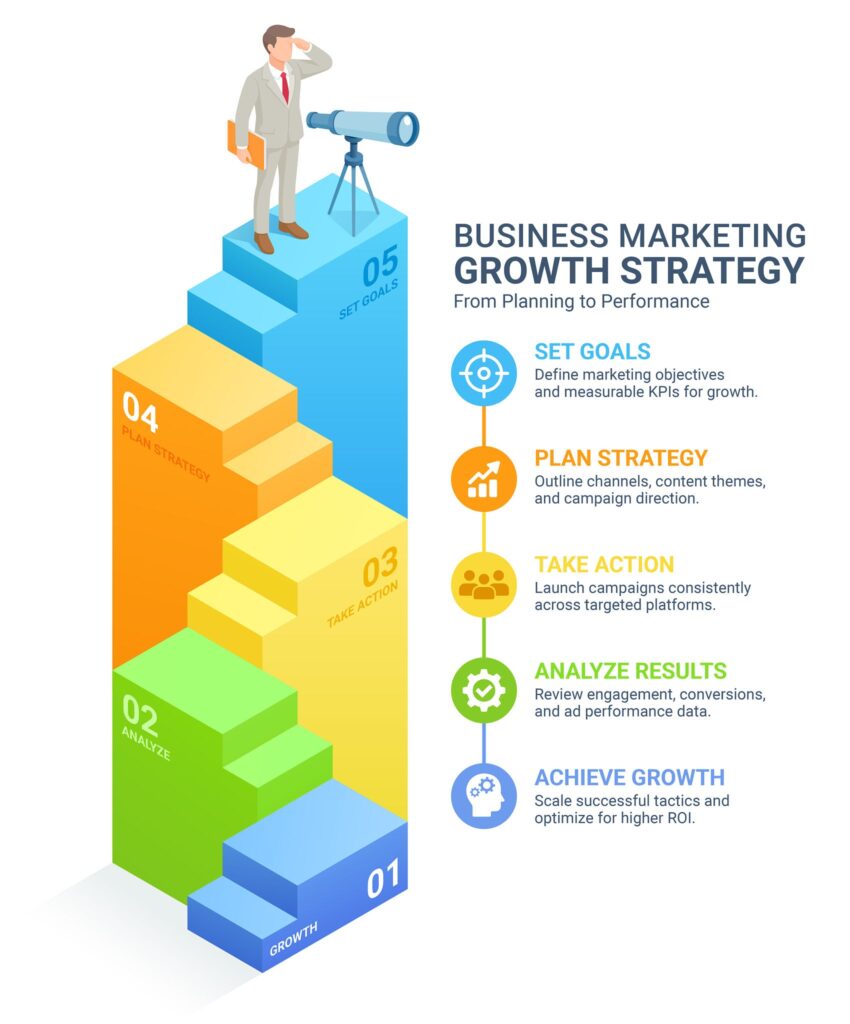
1. Map Out a High-Intent Marketing Funnel
Most failing marketing campaigns suffer from an intent mismatch. They pitch a direct transactional sale to someone who is only in the early awareness phase of their research journey. To convert traffic efficiently, your digital assets must mirror the customer journey:
-
Top of Funnel (TOFU – Awareness): Capture users asking broad questions. Address their direct pain points through value-first blog content and educational social media guides.
-
Middle of Funnel (MOFU – Consideration): Build trust by offering downloadable lead magnets, hosting case studies, or sharing high-quality, transparent video proof of your work.
-
Bottom of Funnel (BOFU – Conversion): Drive immediate action with clear, high-contrast calls-to-action (CTAs) pointing toward custom service quotes or free performance consultations.
2. Command Local SERP Real Estate with Search Engine Optimization
When local customers need a service, they turn to search engines. If your business isn’t occupying valuable real estate on the Search Engine Results Page (SERP), you are actively handing revenue over to your direct competitors.
Winning local organic search requires optimization across multiple pillars:
Claim Your Google Business Profile
Ensure your brand’s name, address, and phone number (NAP data) are 100% identical across all digital directories. Consistent data builds strong trust signals within Google’s core ranking algorithms.
Implement Semantic Content Audits
Modern AI-driven search models look beyond simple keyword matching. When building out service pages, weave in highly related semantic entities. For example, if you offer home services or B2B growth solutions, naturally incorporate terms like ROI, service metrics, and customer value framework to demonstrate undeniable topical authority.
3. Prioritize Technical User Experience Signals
Your search visibility depends heavily on how users interact with your digital storefront. Search engine bots measure technical page performance to ensure they only recommend fast, secure, accessible websites.
Core Web Vitals Checklist: Ensure your Largest Contentful Paint (LCP) loads in less than 2.5 seconds and your visual layout remains completely stable without unexpected shifts. A faster site keeps users engaged, reducing the bounce rates that harm long-term rankings.
Small Business Marketing Strategy: Quick Summary
| Core Pillar | Primary Execution Focus | Expected Business Outcome |
| Local SEO Strategy | Complete GBP optimization, target high-intent question keywords. | Placement in the high-visibility Local Map Pack. |
| Lead Generation Funnel | Clear landing page design, highly visible, friction-free CTAs. | Increased inbound inquiry forms and call volume. |
| Technical Health | Optimize Core Web Vitals, implement secure HTTPS protocols. | Higher search result crawl efficiency and ranking stability. |
Frequently Asked Questions (FAQ)
How much should a local small business invest in digital marketing?
Most growing small businesses allocate between 7% to 15% of their total gross revenue toward digital marketing campaigns. If you operate in a highly competitive niche, front-loading your budget into high-intent search acquisition channels like local SEO and performance marketing delivers a faster, highly measurable return on investment (ROI).
What is the fastest way to generate high-quality business leads organically?
The fastest organic method is targeting long-tail question keywords that your competitors have neglected. By constructing concise, direct answers within your text, you can secure high-visibility Featured Snippets and People Also Ask (PAA) boxes on the search results pages, instantly bypassing standard organic rankings.
Why does my small business website need structured schema markup?
Schema markup acts as an explicit data dictionary for search engines. By injecting structured JSON-LD code into your webpage background, you help search engine crawlers instantly read and understand your business entity details, unlocking rich SERP features like review star ratings and accordion dropdown menus.
Ready to Scale Your Local Brand Presence?
Developing a highly profitable small business marketing strategy requires technical precision and data-driven execution. Let our dedicated team design your custom acquisition growth framework. Contact Webfesto today to claim your comprehensive digital performance audit.